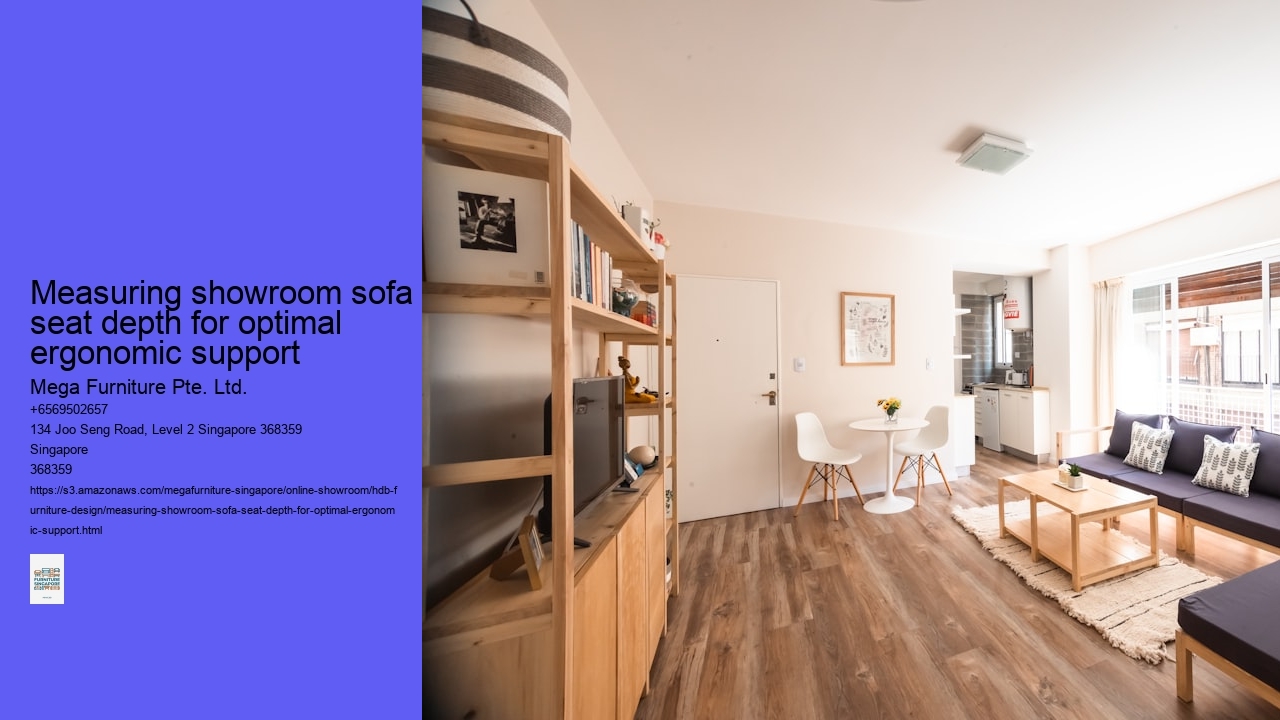
Walk into any showroom and you'll see it—someone perched on the edge of a plush sofa, feet not quite touching the floor. The tag says 90cm seat depth, a perfectly respectable number, but their posture tells a different story. That generic measurement is a trap for the unwary, because it doesn't account for how much you'll sink into the back cushions once the sofa settles in your living room. A firm, upright back might give you the full 90, but a deep, down-filled one could swallow 10cm or more, leaving you without proper thigh support.
Your own body is the only true measuring tape here. Before you even head to Joo Seng or Sungei Kadut, take a simple measurement: sit straight in a dining chair and note the distance from the back of your hip to the back of your knee. That's your personal seated depth. Bring that number with you to the showroom and test it properly—don't just perch, but sit back fully as you would at home, letting the cushions compress under your weight. You need to feel solid support all along your thighs, right to the knee.
Ignore this, and you're setting yourself up for discomfort that no amount of cushion fluffing will fix. Feet dangling means pressure on the backs of your thighs, and you'll find yourself constantly shifting or sitting forward to find a stable position. For taller buyers, a sofa that's too shallow is a recipe for knee ache, as the seat edge cuts in behind the knee instead of supporting the full length of the thigh. It's a subtle thing that becomes glaringly obvious after your third movie night.
The one time you might deliberately choose a shallower depth is if you're fitting a sofa into a very compact 3-room BTO living area, where every centimetre counts for walkway space. Even then, compromise on the overall footprint, not the seated ergonomics—look for sofas with slimmer arms or a more upright back profile to save space. For everyone else, that hip-to-knee measurement is non-negotiable. A sofa that fits your frame is the difference between a showroom novelty and a living room cornerstone you'll love for years.
Walk into any showroom and you’ll see it—the deep, enveloping lounge sofa that promises total relaxation. It’s a tempting vision, but for households with elderly parents, that sink-in comfort is a genuine problem. A seat depth that’s too generous forces a slouched posture, making it difficult to get up without a push-off or a strain. In a typical multi-generational HDB flat, where the living room sofa is a daily fixture for everyone, that’s not just an inconvenience; it’s a barrier to independence.
The correction is straightforward, but you’ve got to test for it physically. Don’t just glance at a sofa; sit down properly, back against the cushions. Your feet should rest flat on the floor, and your knees should be at a comfortable right angle—not stretched out straight because the seat is too deep. The ideal depth for easier rising is often around 70 to 80 centimetres, a shallower profile that provides proper support. Firmer seat bases are crucial too; they offer a stable platform to push up from, unlike soft, plush cushions that swallow you whole.
This is where a showroom visit proves its worth. You can’t gauge this from a picture online. Have your parent or an older family member accompany you to a Megafurniture showroom in Joo Seng or Tampines and try the action for themselves. Watch how they sit and, more importantly, how they stand. If they need to rock forward or use the armrests excessively for leverage, that seat is a poor fit. The right sofa should allow them to rise steadily, with minimal effort.
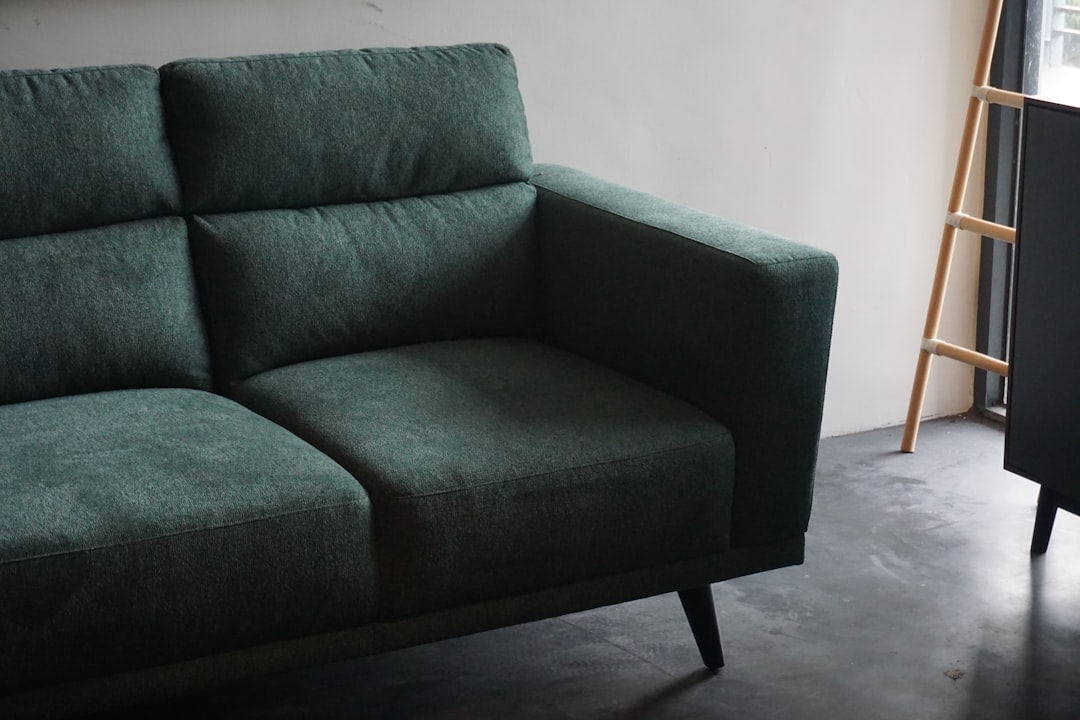
Of course, a firmer, shallower seat might feel less luxurious at first blush compared to a deep lounger. Some might think it looks too formal. But comfort for ageing joints isn’t about sinking in; it’s about supported ease. The single exception? If the sofa is strictly for a separate entertainment room or a younger person’s use, then a deeper seat can be considered. For the main living area that serves the whole family, prioritise accessibility. A sofa that everyone can use comfortably, from grandkids to grandparents, is the one that truly earns its place.
That first sink-in feel is a classic showroom trap. You perch for a few seconds on a perfectly fluffed cushion and think you've found cloud-level comfort. This initial plushness, however, is often just the top layer of foam or a loose fibre fill giving way. It tells you nothing about how the sofa will support your spine after a two-hour movie marathon. The real test comes after the fabric and cushioning have settled under sustained weight, a process that begins the moment you commit to a long sit.
Loose-weave linens and some performance velvets have a hidden characteristic: they yield. Under your weight, these fabrics actually stretch slightly, allowing your body to settle deeper into the seat cavity over time. A tightly woven tweed or a stiff synthetic, in contrast, acts more like a drum skin, holding its shape and limiting how far you sink. This material give is a functional feature, not a flaw, and it directly alters the final seated depth you'll live with for years.
You must commit to a proper sit. Don't just bounce and go. In the showroom, plant yourself firmly for a solid five to ten minutes, mimicking how you'd actually lounge at home. Pay attention to the gradual sensation as the fabric relaxes and the cushion compresses to its working depth. That's the true seat measurement you're buying, not the pristine, untouched dimension on the spec sheet. Rushing this step is how you end up with a sofa that feels shallower than you expected once it's in your living room.
This is the ergonomic reality that replaces the showroom illusion. As the cushion foam compresses and the fabric tension eases, the entire seating plane lowers. Your knees might rise higher than is comfortable, or your lower back may lose support against the rear cushions. For taller buyers or those who like to sit cross-legged, a sofa that loses two inches of functional depth can become a daily annoyance. You're not just judging comfort for today; you're forecasting the support profile for the next decade of use.
Treat the showroom visit like a laboratory session, not a social call. Bring a book, scroll your phone, and actually relax into the piece. Observe if the seat feels like it's still deepening after those first few minutes. This is the only way to gauge the long-term partnership between fabric tension and foam density. Skipping this disciplined test because you feel paiseh is a sure way to regret a major purchase. The right sofa won't just feel good for a moment; it will feel right after it's already met your weight.
It’s a classic mismatch. You’re in a flagship showroom, sinking into a plush, extra-deep sectional that feels like a cloud. The salesperson mentions it’s a popular model for creating that expansive, lounge-like atmosphere. But back in your four-room BTO, that same piece will dominate the living area, leaving zero space for a footstool. Your legs will be dangling or curled up for hours—that’s not luxury, it’s a recipe for poor posture and discomfort.
The problem isn’t the sofa’s quality, it’s the proportions. Many premium pieces are designed for larger spaces, with seat depths that stretch well beyond 70cm. In a compact HDB layout, you simply don’t have the floor area to accommodate that sprawl and still place a supportive ottoman within reach. You end up sacrificing ergonomics for a look that only works in a showroom’s generous footprint. The correction is brutally simple: measure your room’s actual free floor space, then subtract the sofa’s footprint. What’s left must be enough for a footrest, or you’re buying a problem.
There’s a straightforward test. Sit on the showroom model with your back properly against the rear cushions. Can your feet comfortably reach the floor? If they don’t, you’ll need that footstool. Now, visualise your living room’s dimensions—typically around 3.5 by 4 metres in a four-room BTO. Place the sofa’s width and depth within that, then see if there’s a clear 60 by 60cm square left for an ottoman right in front of you. Often, with a deep chaise or L-shaped sectional, there isn’t.
The one exception? If you genuinely prefer curling up on a sofa like a daybed, and you’ll never sit upright for long stretches of TV or conversation. But for proper seated support—the kind that prevents backache during a movie marathon—that footstool is non-negotiable. Don’t let the showroom’s spacious illusion trick you into a piece that cramps your daily comfort. Your living room’s square footage is the final arbiter, not the sofa’s aspirational aesthetic.
You’ve spent weeks scrolling through photos online, but you still can’t tell if that sofa will feel like a cloud or a plank. That’s the exact moment a showroom visit becomes essential. Photos don’t convey the subtle differences in seat firmness, a detail that defines whether a sofa supports you properly or leaves you sinking into an awkward slump after an hour. The construction beneath the fabric—the foam density and the webbing system—is what determines that feel, and it’s impossible to judge from a screen.
At a physical showroom, you can perform the critical test: sitting. You’ll notice how a higher-density foam offers a firmer, more resilient base that won’t collapse over time, while a softer, lower-density option might initially feel plush but lack lasting support. The webbing—whether it’s a traditional spring system or a modern tension base—also changes the sensation, adding a slight bounce or a more solid, uniform feel. This hands-on comparison is the only way to gauge what ‘support depth’ actually means for your body, especially if you’re planning to spend long evenings lounging or hosting family.
For a premium piece, this test isn’t just about comfort; it’s about verifying the quality you’re paying for. A sofa that looks substantial online might reveal a disappointingly shallow seat cushion when you actually sit down, something you’d only discover by physically lowering yourself onto it. You can shift from one model to another, feeling how each construction responds to your weight and posture, a process that instantly clarifies which option suits your needs. Without this, you’re committing to a significant purchase based purely on guesswork.
The one exception? If you’re absolutely certain about a specific model you’ve owned before, and you know its construction already matches your preference. Otherwise, skipping the sit-test is a gamble—you might end up with a sofa that looks perfect in your living room but feels wrong every time you use it. For anything over a couple thousand dollars, that’s a risk you really shouldn’t take.
The quick sit-down you do in a showroom tells you nothing about how a sofa will actually feel after an hour. You're upright, alert, and you're not really settled in. That initial impression of comfort can be misleading—it's the long-term posture that matters.
So bring your tablet or your favourite magazine and actually spend fifteen minutes in the spot where you'd normally sit. This isn't about testing the fabric; it's about checking if your lower back stays supported and if your neck starts to crane forward after a while. You'll notice things a two-minute test misses, like whether the seat depth forces you to slouch or if the back cushion is too firm to relax against.
If your spine doesn't maintain contact, that's a sign the seat is either too deep or the cushioning is wrong for your frame. A sofa that looks perfect in a showroom can leave you with a crick in your neck every evening at home. This simple simulation is the only way to verify the ergonomic fit before you commit.
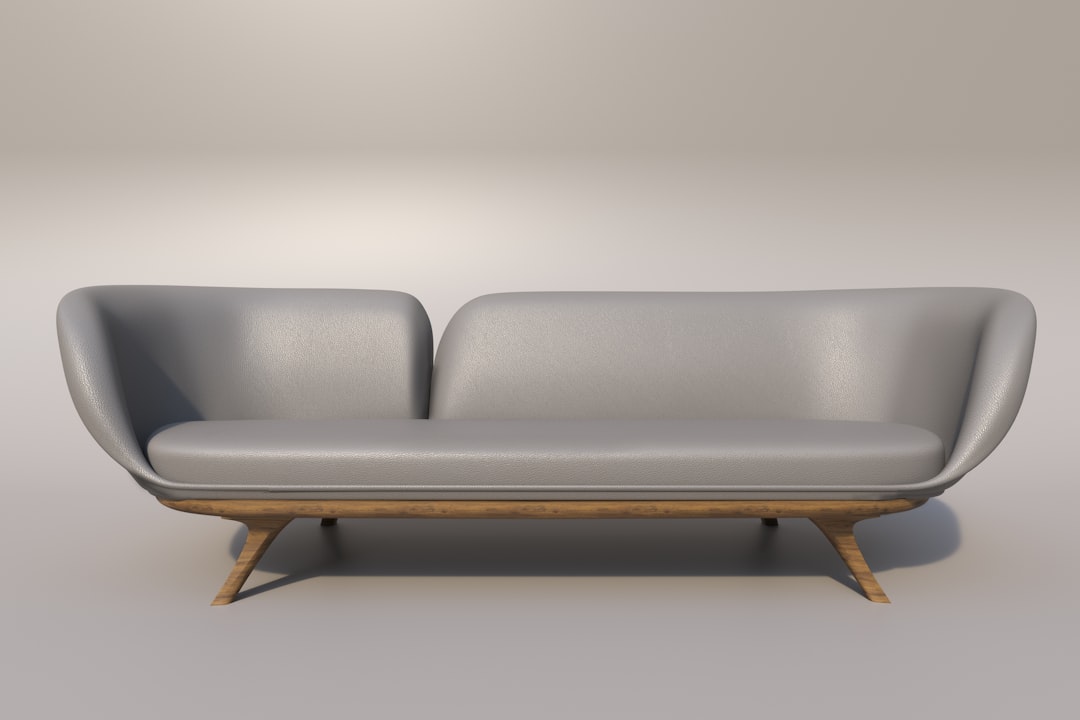
The exception? If you're buying a sofa purely for occasional guests or as a secondary piece in a seldom-used room, then this extended test might be less critical. But for your main living area sofa—the one you'll use daily—this check is non-negotiable. Don't leave the showroom without doing it.
Inspecting sofa frame integrity: A pre-purchase checklist for Singapore buyers
You’ll see plenty of showroom shoppers sitting bolt upright, knees dangling, because the seat’s too deep. That’s the classic mismatch—a sofa scaled for taller frames that leaves a shorter person’s back unsupported.
What is standard sofa seat depth for Asian height? There isn’t a single standard, but you’ll find many local designs hover around 50 to 55 centimetres. That’s a comfortable range where your feet can rest flat on the floor and your back meets the cushion properly. Anything deeper than 60cm starts feeling like a lounger, which isn’t ideal for daily upright sitting in a compact living room.
Does seat depth include back cushions? No, it doesn’t. Seat depth is measured from the front edge of the seat cushion to the point where the back cushion begins. Those plush back cushions can eat up another 15cm or more, so the total space you occupy is deeper. Always sit in the showroom and feel where your back actually lands—sometimes a firm back cushion means you sit further forward than the measurement suggests.
Best sofa depth for 165cm tall person? Aim for 52 to 54cm. That usually gives good thigh support without forcing you to slouch. If you prefer a more reclined posture, you can go slightly deeper, but then you’ll want a sofa with a firmer back or an adjustable headrest to keep your spine aligned. Don’t just trust the tag; actually plant yourself on the showroom model and check if your knees are bent at a natural angle.
How to measure for a recliner sofa in HDB? The critical number isn’t just the sofa’s static length—it’s the fully extended length when the footrest is up. In a typical 4-room BTO living room, you need to leave at least 30cm clearance behind the sofa for the mechanism to fully deploy without hitting the wall. Bring a tape measure to the showroom and ask the staff to demonstrate the full extension; then picture that in your space, considering any nearby shelving or walkways.